Among the 16-type personality of MBTI, 'i people' means introverted personality types , such as INFJ, ISFJ, INTJ, ISTP, etc. These types tend to prefer to be alone and introspective, are more sensitive to external stimuli, and are not good at high-intensity social interaction. However, every Spring Festival or other traditional holidays, people will collectively step into 'social purgatory'.
In this article, we will start from a psychological perspective and reveal the holiday pain points of 'i Ren' in a relaxed and humorous way. If you are an i person, you will definitely empathize; if you are an e person, you might as well look at the i person's perspective and understand why they 'have pain and endure' during the festival.
By the way, if you are not sure whether you are an i person or an e person, you can first do a free MBTI personality test , test your MBTI type, and then take the position to read it.
Related reading recommendations: 7 practical tips for coping with social anxiety | Overcoming social phobia starts here
The full record of 'i people' social terror moments in MBTI
A standard i person is an introvert who doesn’t like socializing and prefers to stay alone in his comfort zone. However, every New Year and Festival, i people will face some situations that make them very uncomfortable. These situations may be very normal for e people, but for i people, it is simply the darkest moment.
Today, I will share with you the darkest moments of being an i person. If you are also an i person, or you have a friend of i person, then you will definitely resonate with it. If you are an e-person, then you can also see how different the world of i-person is.
1. The i-person who was forced to say hello to a strange relative

i people: Mom, I don’t want to say hello to relatives I don’t know much.
Mom: Go for me, or I will shoot!
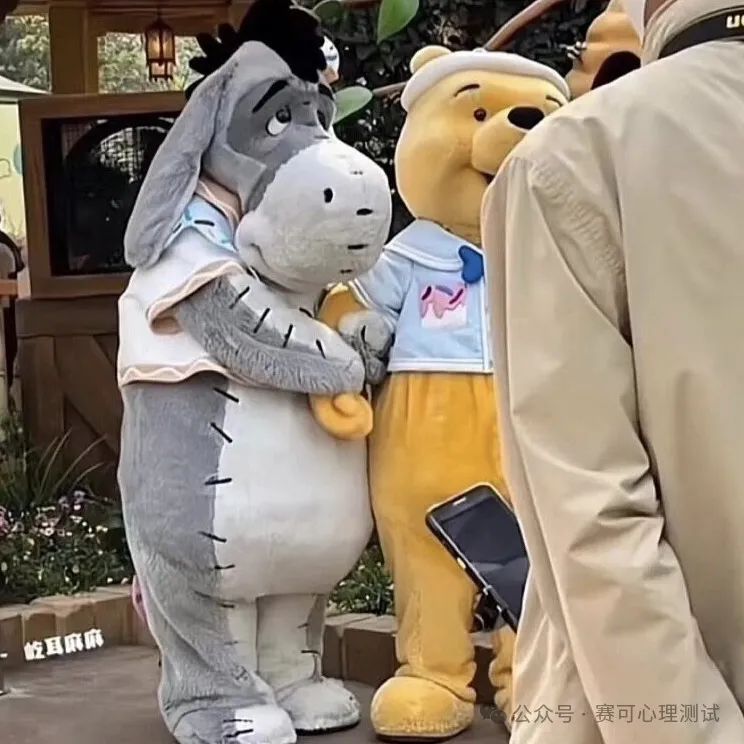
For i people, talking to unfamiliar relatives is a kind of 'social torture'. The embarrassment of being forced to say hello by your parents is no less than being thrown into a stranger's stage and memorizing lines. e people think this is 'human relationship', but i people think it is 'high-intensity exposure of sexual anxiety'.
2. When someone asks someone out during the Spring Festival

I just want to rest quietly at home.
In the MBTI test, introverted personality tends to restore energy by being alone. Holidays were originally the time they used to charge, but they were interrupted by various social invitations, as if the battery was unplugged before it was plugged in.
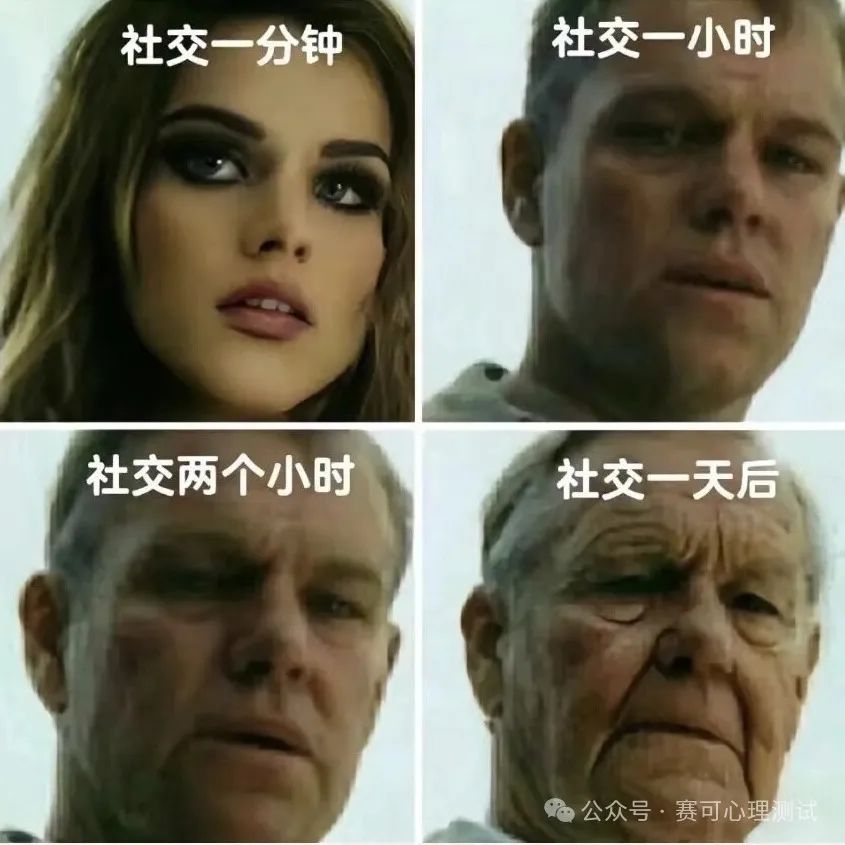
3. The process of social gradient of i people

Letting i go out to socialize for a day is like experiencing a lifetime of vicissitudes.
From being alone to socializing, the 'social energy' of i people is being lost at an accelerated pace every hour. The more excited others are, the more exhausted they are. When I went out for a day, it seemed like my soul was being squeezed out, and it took 3 days to recover when I went home.
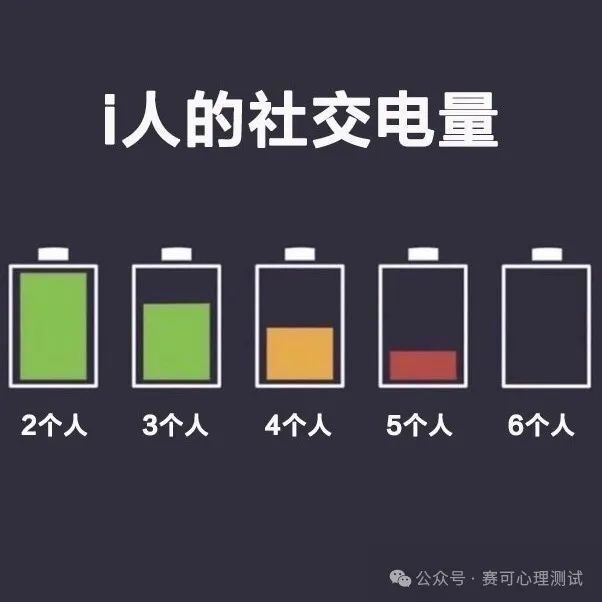
4. I people’s social power

2 people: Fully powered, able to communicate with another person freely and enjoy intimate relationships
3 people: 75%, and can still deal with the conversation between the three, but start to feel some pressure
4 people: 50%, has reached the limit of social interaction and needs to be constantly allocated to pay attention and respond
5 people: 25%, completely unable to concentrate, just want to escape from the scene
6 people: 0%, completely collapsed, lost all energy and consciousness
5. When i and e-friends go shopping and meet e-friends and don't know each other

i people went shopping with e people's friends and suddenly met an acquaintance of e people. e people greeted their acquaintance enthusiastically, but i people didn't know that person, so they could only stand restrainedly on the side of e people, not knowing what to say, only embarrassment and discomfort.
6. 'Talking with others' in the eyes of i people

Chat in the eyes of others = relaxed and pleasant; chat in the eyes of others = high-intensity mental confrontation, as if the Olympic-level 'balance beam' is being held.
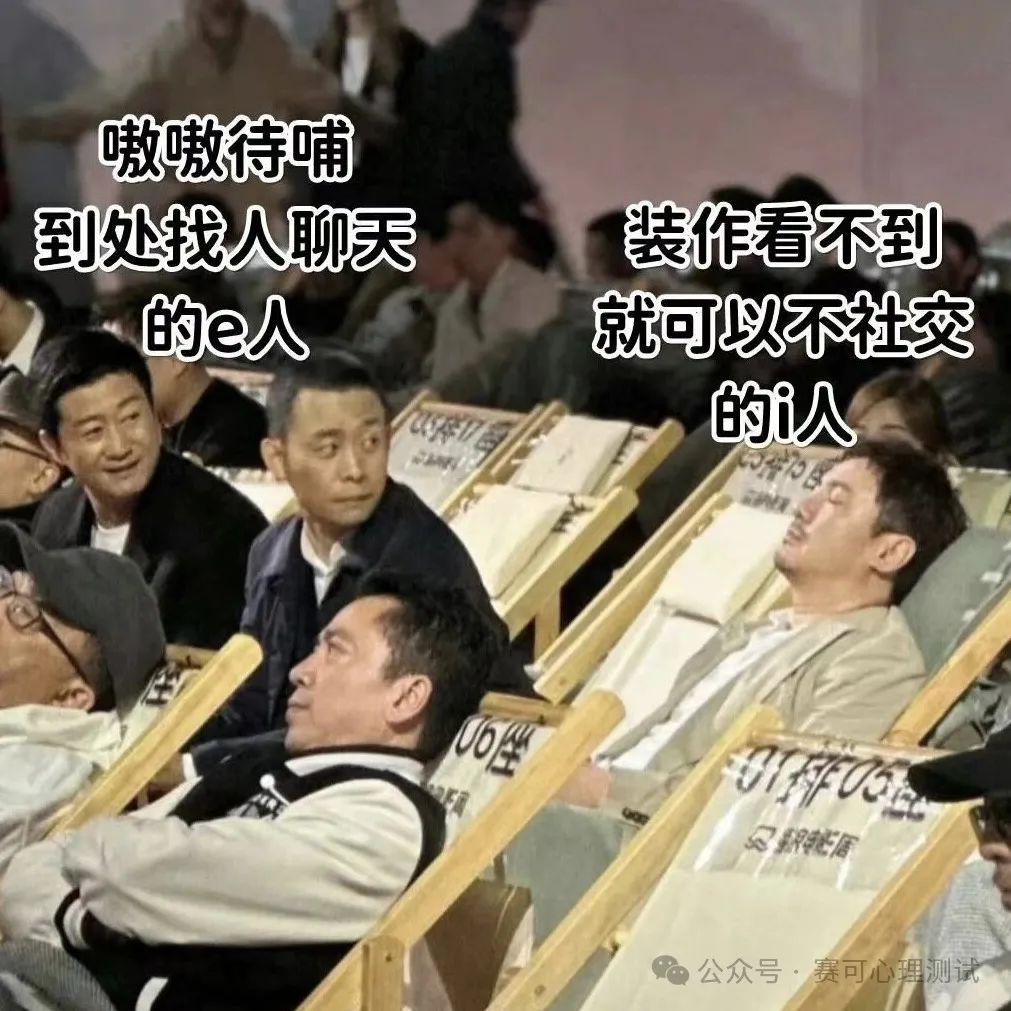
7. I-person social strategies

e-people are very eager to chat with others and look for people to communicate everywhere, just like a hungry bird, hungry for feeding. The i-person does not want to socialize with others at all. As long as you pretend that you cannot see the e-person, you can avoid being disturbed, just like a lazy cat sleeping with your eyes closed.
8. Why don’t i people love socializing

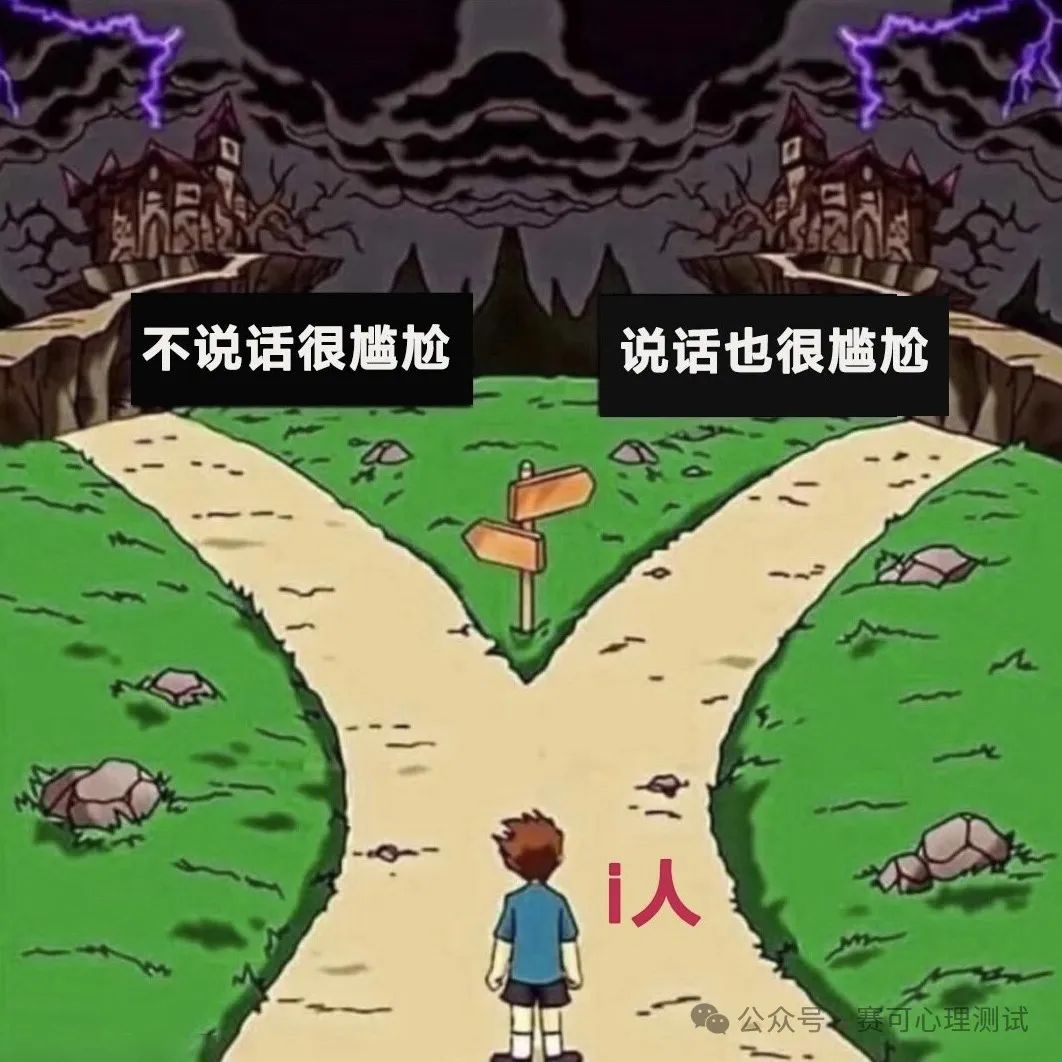
Why don’t i people like socializing? Because it’s embarrassing not to speak, and it’s embarrassing to speak.
9. When i people want to try to socialize a little, but don’t want to leave their comfort zone

Common manifestations:
- Chat online, but only post emoticons and don't speak
- Party offline, but only eat, don't talk
- Like on social media, but don't comment or forward
- Listen to others on the phone, but only deal with it, not speak
The deep psychology behind MBTI test: the different natures of i and e people
MBTI personality test is based on Myers-Briggs personality theory and is widely used worldwide. i (introversion) and e (extroversion) are one of the four dimensions of MBTI. i people are better at talking to themselves, while extroverted personality gains energy through interaction with the outside world. There is no difference between good and bad in the two personalities, but different survival modes.
📌 Want to know more about your MBTI personality type? Welcome to experience PsycTest Quiz's free MBTI personality test .
📘If you want to get a more professional and detailed personality interpretation, you can also check the MBTI Advanced Personality Archive , which will analyze your personality deep structure from multiple dimensions, helping you to be more at ease in the workplace, relationships and life.
Conclusion
In fact, many e-people may not understand and think that these are normal things and no big deal. However, for i people, these are very difficult challenges and require a lot of courage and patience. Therefore, I hope e people can understand and tolerate more, don’t force i people to do things they don’t like, and don’t laugh at i people for being bad at socializing. i people also have their own advantages, for example, they are often very creative, thoughtful, profound and individual. i and e people can actually learn from each other, appreciate each other, and grow from each other. I hope both i and e can find their own happiness, live in harmony, and make progress together.
Link to this article: https://m.psyctest.cn/article/Vm5bDzd6/
If the original article is reprinted, please indicate the author and the source in the form of this link.