The Positive and Negative Affect Schedule is the full English name of the Positive and Negative Affect Schedule, a psychometric tool used to assess the extent of positive and negative emotions an individual experiences over the past month. Positive emotions refer to those that are pleasant, energetic and satisfying, such as excitement, pride, inspiration, etc. Negative emotions refer to unpleasant...
The Simplified Coping Style Questionnaire (SCSQ) is a psychometric tool compiled by Zhang Yukun and Yaning. The questionnaire aims to evaluate the coping methods individuals use when responding to stress, including two dimensions: positive response and negative response. Through this questionnaire, we can understand a person's psychological tendencies and coping strategies when facing stress and d...
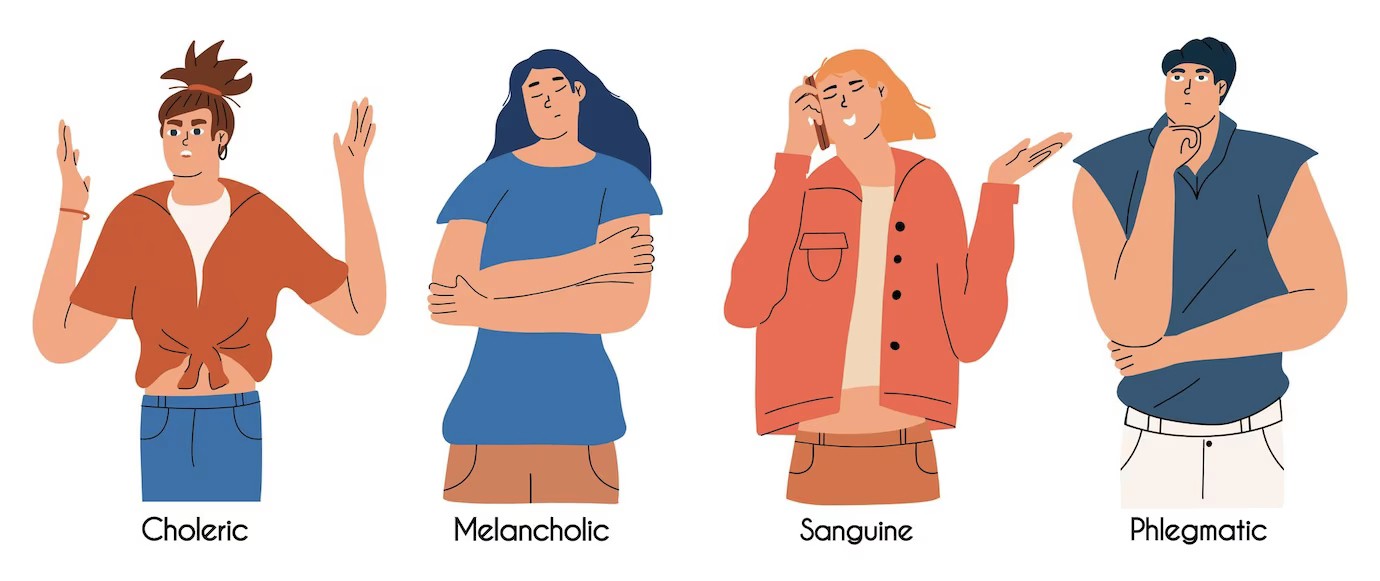
Which of the four temperament types in psychology do you belong to? Temperament refers to the individual's relatively stable psychological characteristics and behavioral tendencies, reflecting the individual's typical response method to emotions, emotions and behaviors. It includes the speed, intensity, stability and direction of psychological activities. Specifically, temperament includes the fol...
Explore your inner world and understand whether you are more likely to feel guilty or shame? PsycTest Quiz provides you with professional personality analysis to help you better understand yourself and improve your emotional management skills. Take the test and uncover your psychological secrets! Have you ever made the atmosphere frozen instantly because of an inadvertent sentence, and you were al...
Have you ever wondered why you have certain behavioral habits? Why do you get along with some people but have a distance from others? Or want to know your reaction under pressure? Understanding personality traits is the key to exploring these issues. On the PsycTest Quiz platform, we provide you with a highly respected 240-question complete revision Big Five personality test , namely the Revised N...
The Rosenberg self-esteem scale (SES) was originally designed to assess the overall feelings of adolescents about self-worth and self-acceptance. The Rosenberg Self-Esteem Scale is a psychometric tool commonly used to measure individual self-esteem levels. The scale was developed by American social psychologist Morris Rosenberg in 1965 and is widely used in the fields of psychology and social scie...
Stress refers to the emotional reactions of physical and mental tension and anxiety that people feel when facing challenges or needs. Stress can come from various factors, such as work, academics, interpersonal relationships, health, and economics. Moderate stress can stimulate people's enthusiasm and creativity, but excessive stress can have adverse physical and psychological effects. In psycholo...
Intuition refers to a special way of thinking that is not controlled by human will. It is a form of thinking based on human occupation, experience, knowledge and instinct. Most people usually have five sensory experiences: hearing, vision, smell, touch and taste. These five sensory experiences correspond to five human organs, ears, eyes, nose, hands and tongue. From a narrower perspective, the fiv...
The Depression Self-Rating Scale for Children (DSRSC) is a questionnaire survey on children's awareness of depression and their own depression status. It contains 18 items, with a small number of items, simple and easy to evaluate, and easy to understand for children. It is suitable for children aged 8 to 13 to self-evaluate their own depression symptoms. Depressive disorder in children is a commo...
Psychological gap refers to the feeling of self-loss formed by the greater difference between the actual perception and psychological experience (real or illusory) of the original self-concept, self-intention, self-positioning or self-expectation in a new situation. Positive impact: For some people, when they see a gap between ideals and reality, they will find out their shortcomings, adjust their...