In modern interpersonal psychology, positive social personality is considered to be a key factor affecting social success and interpersonal quality. Simply put, a positive social personality is the friendly, enthusiastic and positive side that a person shows in interpersonal interactions. Have you ever wondered why some people are always like fish in water in the crowd? This is often precisely bec...
In the MBTI type sixteen personality theory system, cognitive functions are the key to helping us understand personality structure. It originates from Jung’s eight-dimensional psychology framework, emphasizing individuals’ different preferences in information processing and decision-making processes. Among them, Extraverted Feeling (Fe) is a judgment function that focuses on group harmony and emot...
In today's social networks, MBTI personality testing has become a hot topic that has attracted much attention, especially the discussions about J and P people, which has aroused heated discussions and strong resonance among many young people. Whether on social platforms or daily communication, everyone is keen to talk about whether they are 'J people' or 'P people', as if this has become a new pas...
In intimate relationships, the expression of love and being loved is an important bond to maintain emotions. Whether lovers can express love clearly and continuously determine the stability and trust of the relationship. And in the character of 'protagonist' (ENFJ), this expression is even more of a nature. In the MBTI type 16 personality, ENFJ is often seen as an idealistic, empathetic and commun...
In love relationships, differences in personality are often the key factor affecting the quality of getting along. Some people are good at expressing love and frequently communicating emotions, while others are more accustomed to conveying warmth through practical actions. In the MBTI 16 type personality, ISTP (connoisseur type) is a typical representative of 'talking love with actions'. Many peop...
Among the MBTI personality types, Protagonist (Leader type, ENFJ) is often considered the ideal partner type. They are passionate, focused and full of growth motivation and are born caring and promoters. However, when a leader-like personality is harbored with 'Turbulent' traits, these typical advantages are affected by some uncertainty and emotional fluctuations, which may in turn cause emotional...
INTP Personality Type: Logical Architect INTP is a philosophical innovator, obsessed with logical analysis, system construction and design. They are immersed in the theoretical world, exploring the universal laws behind everything, and are committed to understanding the core themes of life that integrate all complexities. Analysis of INTP personality type INTP is a transcendent analytical observer...
Many people feel overwhelmed or even unconfident when facing praise. Learning to accept praise gracefully can not only enhance interpersonal relationships, but also enhance self-confidence. This article analyzes the psychological disorders of accepting praise in detail and provides practical methods to help you respond to praise confidently. Have you ever had this experience: when others praise yo...
What are the psychological reasons behind the ENTP personality type who likes to be alone? This article analyzes the reasons why ENTP chooses to be alone in detail and introduces the benefits of being alone in them, helping you understand the deep-seated characteristics of ENTP personality. ENTP is a personality type in the Myers-Briggs personality type indicator (MBTI) that represents extroversio...
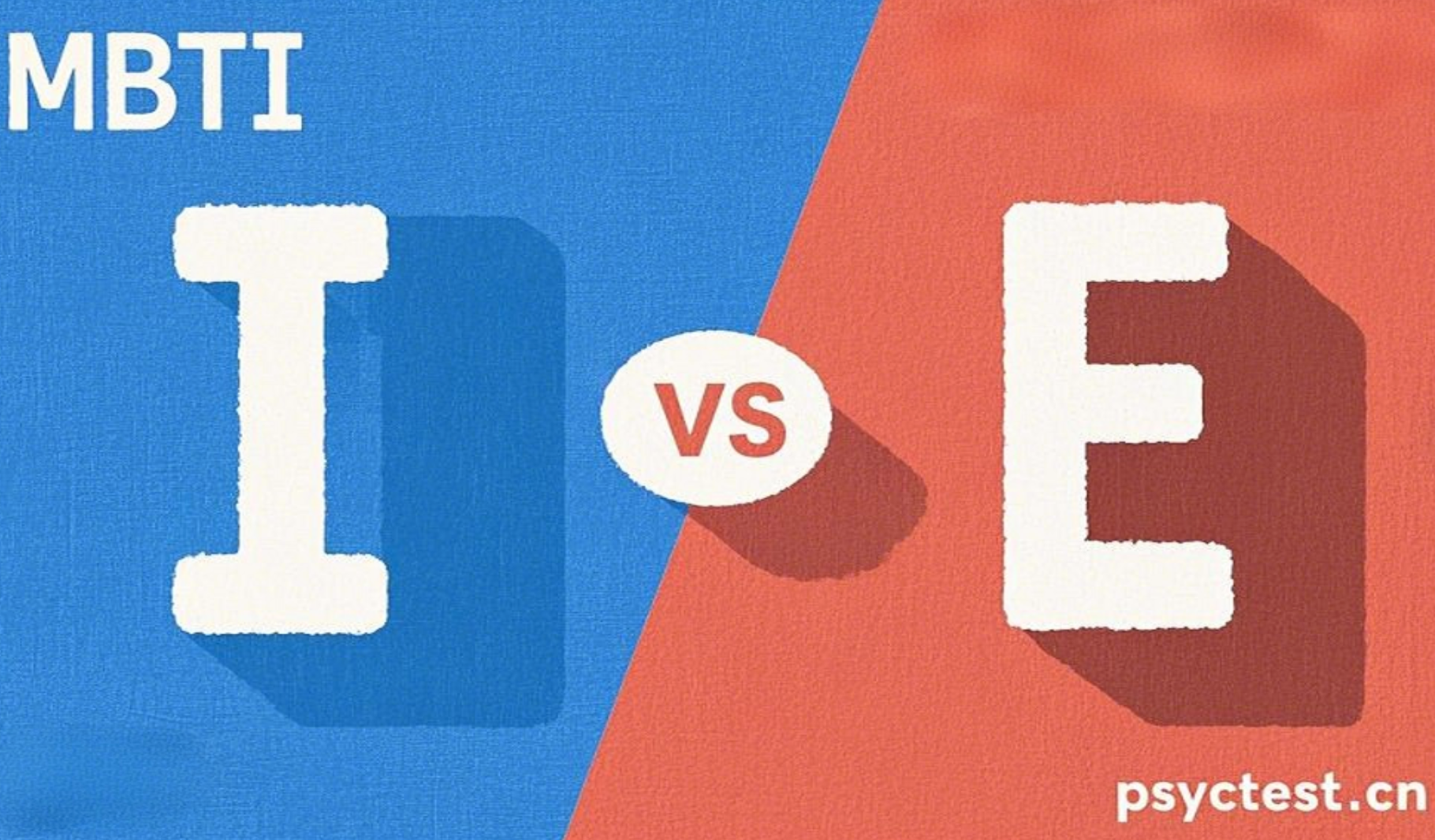
A detailed explanation of the differences between MBTI Type I personality and E personality. This article deeply explores the differences between Type I personality and E personality in MBTI, covering core traits, advantages and disadvantages, workplace performance, common misunderstandings, etc., to help you fully understand and respond effectively and build harmonious interpersonal relationships...