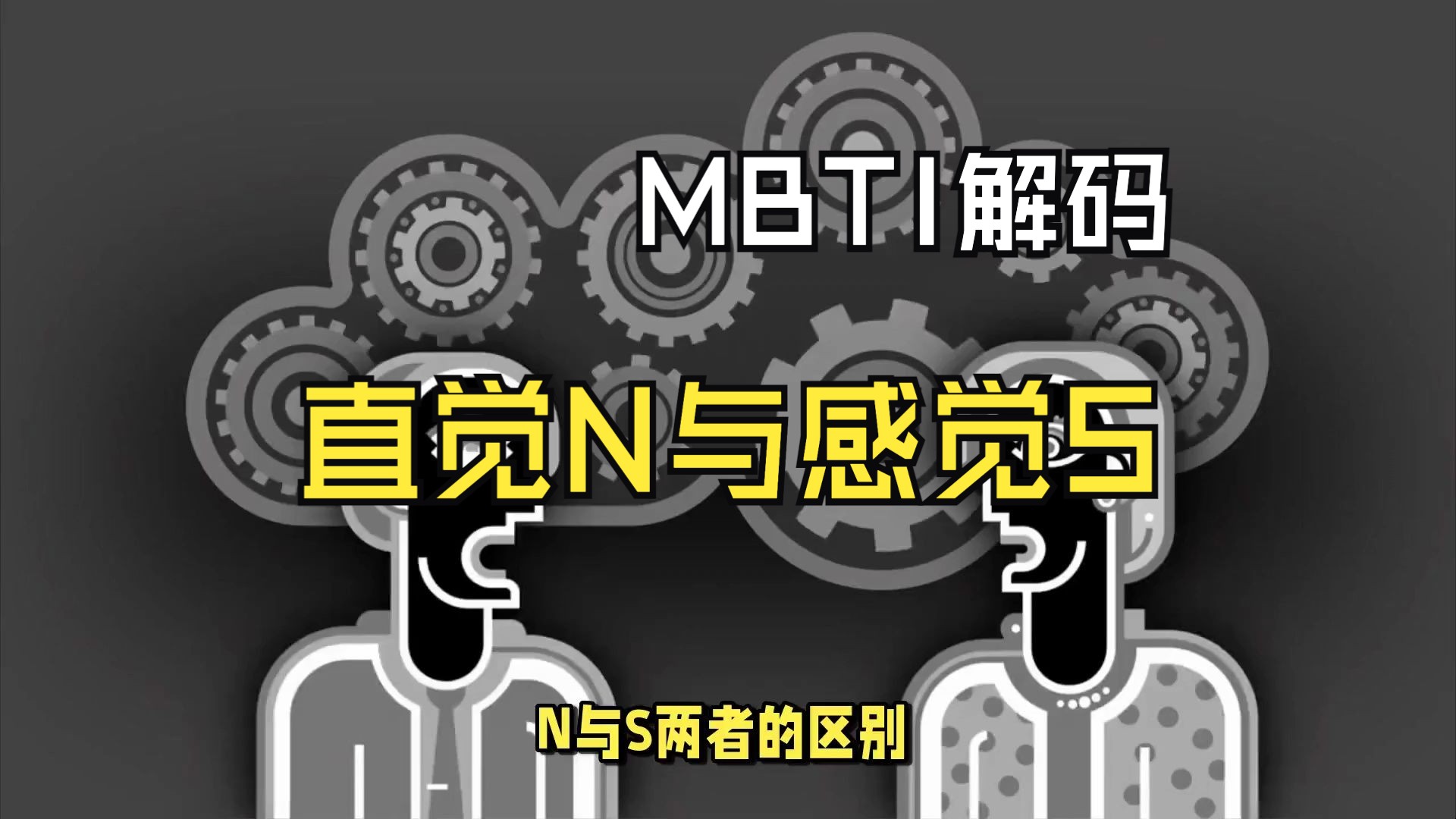
In the MBTI sixteen-type personality theory, 'S' represents sensory type , while 'N' represents intuitive type . This is one of four dimensions in personality that describes how we receive and process information. Understanding the difference between 'S-type' and 'N-type' can help you better understand your personality traits, thinking preferences and career tendencies . What do S and N represent ...
Want to improve communication skills? This article explains you 10 communication skills and practical habits in detail, and comes with a number of professional psychological tests to help you understand yourself and others more deeply, thus creating a more efficient and attractive way of expression. If you are looking for practical ways to improve your communication skills, please be sure to finis...
ESFJ's personality in-depth analysis: Your deep desire and motivation ESFJ, Extraverted, Sensing, Feeling, Judging personality, is called 'The Caregiver' or 'The Provider' in the MBTI type sixteen personality . But if you just stay on the superficial impression of 'passion, socializing, and enjoy helping others', then your real psychological motivation may still be buried under your daily behavior...
Social interaction is an indispensable part of human life. It not only affects the harmony of interpersonal relationships, but also has a profound impact on our career development, mental health and resource acquisition. However, social interaction is not always easy and pleasant, with problems such as malice, consumption, collapse of personality, and crises of trust emerging one after another. Ho...
In the MBTI personality testing system, intuition (N) and real sense (S) are key dimensions that affect individual thinking patterns and decision-making methods. Should we speculate on the future based on imagination, or should we rely on facts to focus on the present? The difference between the two profoundly affects our lifestyle, career choices, and interpersonal relationships. Don’t know your ...
In love, do you know what kind of behaviors can best impress people with ENTP (debtor type) personality? If you are developing a relationship with an ENTP, or if you are a dynamic debater-type personality, understanding each other’s love expression (also known as “love language”) will greatly enhance the understanding and intimacy between both parties. Love language refers to the way people expres...
A comprehensive analysis of the characteristics, causes and improvement methods of avoidant personality will help you distinguish avoidant personality from social anxiety, and judge whether there is a tendency to avoidance through self-test questions, providing practical overcome strategies and social ability improvement plans. Avoidant Personality is a personality trait mainly characterized by so...
Anger is an emotion that everyone will experience, and it is a normal psychological defense mechanism. Learning to deal with anger effectively will not only help improve relationships, but also help with mental health. This article will share how to navigate anger and provide practical coping methods to help you better deal with anger. 'Isn't getting angry a sign of rudeness?' 'People will be hurt...
INFP - Philosopher (Therapist) personality INFP (introversion, intuition, emotion, perception) is known as a philosopher or healer personality. They are usually quiet observers, idealistic, and very loyal to their own values and important people. INFP wants life to be in line with their inner values. They have a strong curiosity, are able to quickly identify opportunities, and often act as creativ...
Comprehensive analysis of the psychological motivations of ISTP personality | Character traits, emotional relationships, career advice, self-growth and social guide Keywords: ISTP personality, MBTI type 16 personality, ISTP personality traits, ISTP career direction, ISTP love, ISTP suitable job, self-exploration personality test, MBTI personality test free What is ISTP personality? |The 'Practical...