Have you ever been confused in an intimate relationship: Why am I always particularly tempted by some type of person? Why do I keep falling into the same love pattern? Why do you always have poor communication even though you love each other very much? Love is not only a sensual investment, but also an expression of personality. The HLWP Love Personality Test summarizes your love style into four c...
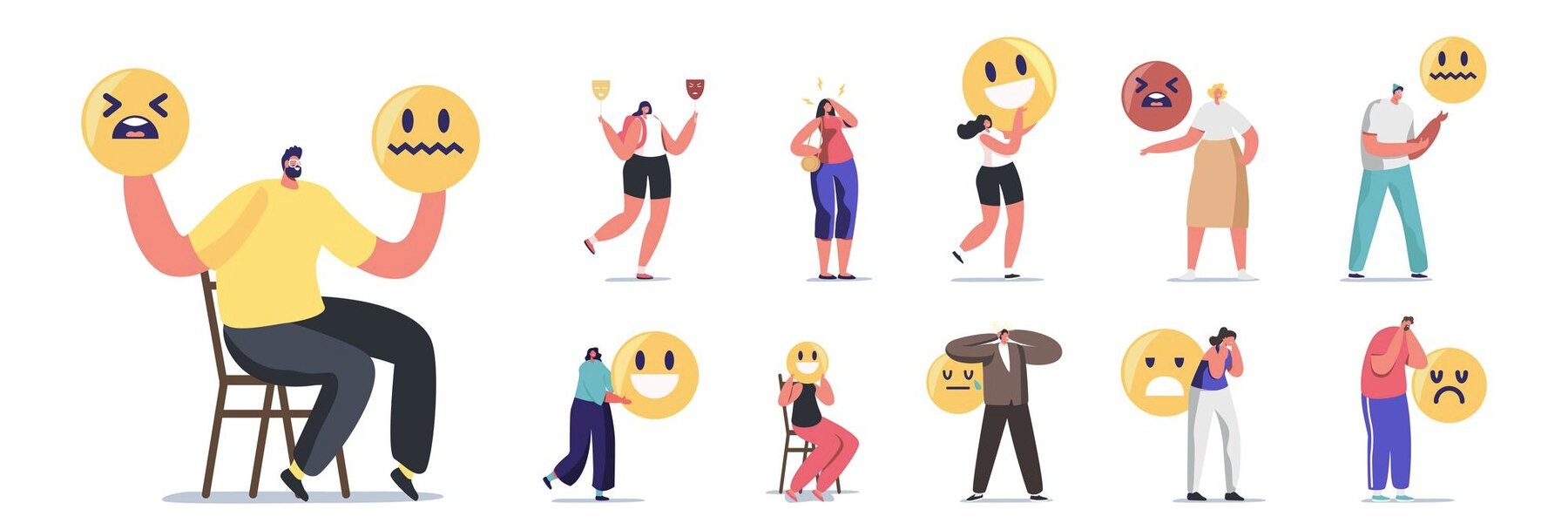
Empathy Quotient Test (EQ-40 Scale) Online Test Description of Empathy Emotional Quotient Number Empathy Quotient ( EQ , also known as empathy quotient ) is an internationally recognized psychological assessment tool. The EQ-40 scale is the most commonly used version, with 40 test questions (a more complete 60-question version) designed to comprehensively measure adult empathy and social emotional...
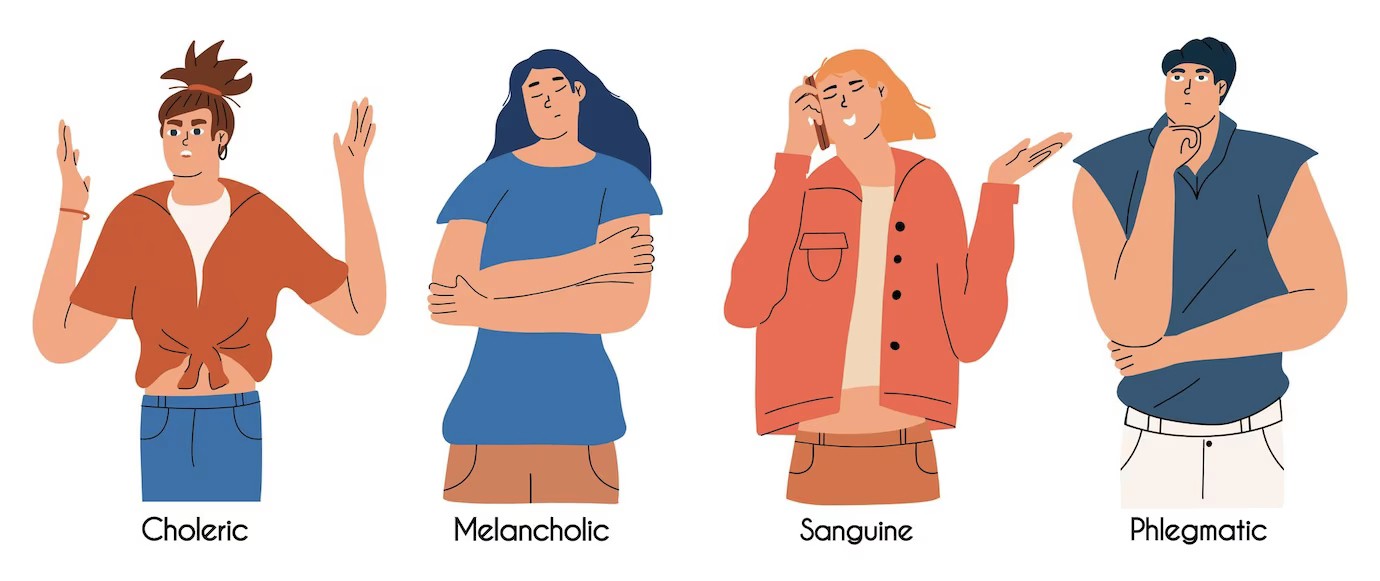
Which of the four temperament types in psychology do you belong to? Temperament refers to the individual's relatively stable psychological characteristics and behavioral tendencies, reflecting the individual's typical response method to emotions, emotions and behaviors. It includes the speed, intensity, stability and direction of psychological activities. Specifically, temperament includes the fol...
Will children feel sad when others cry? Can they detect other people’s emotional changes and respond gently? These small superficial details actually reveal the child's development level in 'social, emotional and intellectual ability'. IQ (IQ) is not the only key in the process of children's growth. Another indicator called 'social success' by many psychologists - empathetic qualities (EQ), is att...
Obsessive-Compulsive Disorder (OCD) is a common mental disorder characterized by persistent and uncontrollable obsessive concepts and compulsive behaviors. Obsessive concepts are recurring, disturbing thoughts, impulses, or images, while compulsive behaviors are repetitive behaviors or rituals performed to alleviate these uneasiness. Obsessive concepts are often associated with fear, anxiety, or d...
Symptom Self-rated Scale SCL90 is one of the most famous mental health test scales in the world and is currently the most widely used outpatient clinic examination scale for mental disorders and mental illnesses. SCL-90 (full name in English is Symptom Checklist-90) is a commonly used self-evaluation scale for symptoms, compiled in 1975. Its author is LR Derogatis, sometimes also called Hopkins Sy...
Free Narcissistic Personality Disorder Test: Learn whether you have narcissistic personality traits and determine whether you may be compatible with the characteristics of Narcissistic Personality Disorder (NPD) . Through the NPI-56 Narcissistic Personality Scale Test, a deep exploration of narcissistic tendencies and their relationship with NPD is provided with a reference for further professiona...
The psychological self-acceptance test measures your inner self-acceptance and self-care index. Do you truly love yourself? This psychological self-worth assessment will help you gain an in-depth understanding of whether you are subconsciously too harsh on yourself, whether you know how to accept your imperfections, and whether you have neglected your inner needs in the pursuit of 'perfection' and...
Welcome to participate in this impulsive personality trait test. This test uses the Barratt Impulsiveness Scale (BIS-11), also known as the Barratt Impulsiveness Personality Questionnaire. The Chinese version of the questionnaire was translated and revised by the Beijing Center for Psychological Crisis Research and Intervention to evaluate individual impulsive personality traits. Impulsive persona...
The Simplified Coping Style Questionnaire (SCSQ) is a psychometric tool compiled by Zhang Yukun and Yaning. The questionnaire aims to evaluate the coping methods individuals use when responding to stress, including two dimensions: positive response and negative response. Through this questionnaire, we can understand a person's psychological tendencies and coping strategies when facing stress and d...