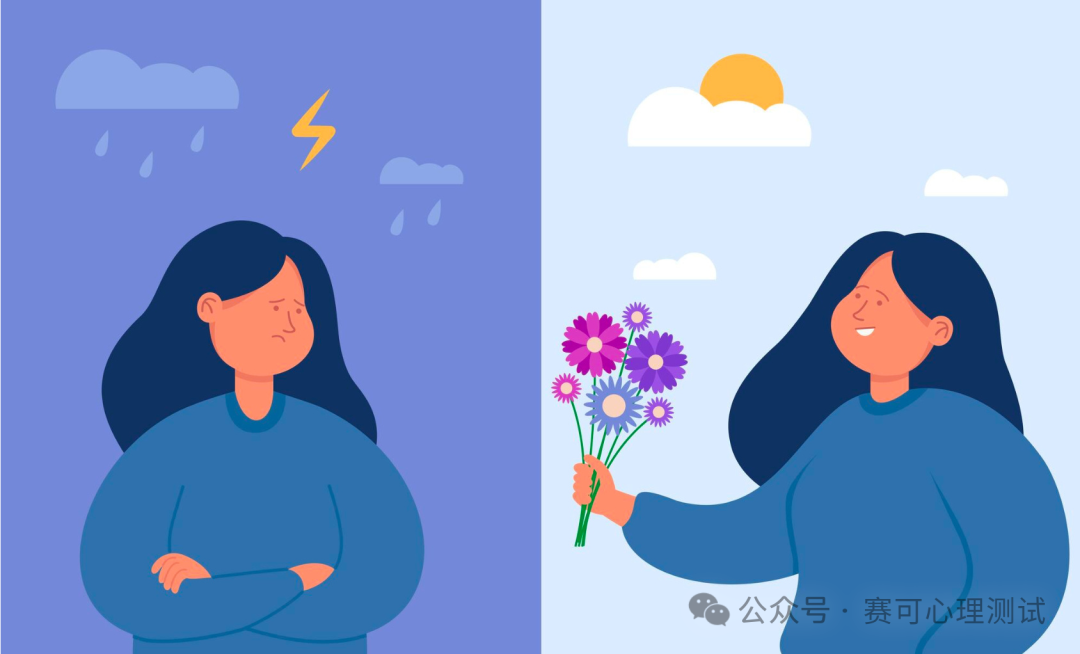
In this world full of uncertainty, the attitudes of pessimists and optimists have had a profound impact on their life trajectory. Pessimists may say they are always right because they always foresee the worst; while optimists move forward forever because they believe that the future is full of possibilities. Both attitudes have their value, but when facing challenges in life, an optimistic attitud...
Do you often feel nervous and uncomfortable in front of strangers? Do you feel that you are socially bad? Is it difficult for you to maintain eye contact and natural conversations with others? If your answer is yes, then you may have a certain degree of shyness. Shyness is a psychological phenomenon that includes not only social anxiety, but also behavioral suppression. Shyness can affect your soc...
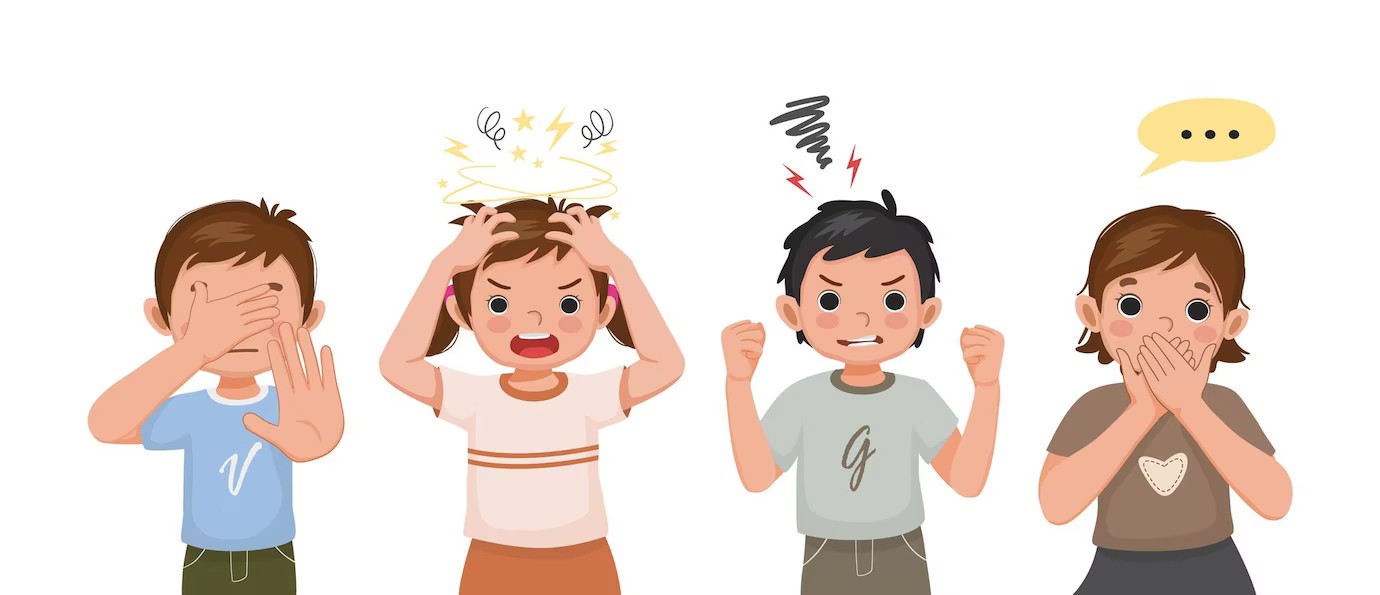
The Depression Self-Rating Scale for Children (DSRSC) is a questionnaire survey on children's awareness of depression and their own depression status. It contains 18 items, with a small number of items, simple and easy to evaluate, and easy to understand for children. It is suitable for children aged 8 to 13 to self-evaluate their own depression symptoms. Depressive disorder in children is a commo...
This psychological test is a self-rated depression scale of the Professional Psychological Test SDS (Self-Rating Depression Scale) and was designed by William WK Zung MD (1929-1992) at Duke University in the United States to evaluate depression levels. The SDS Zong Depression Self-evaluation Scale is one of the scales recommended by the U.S. Department of Education, Health and Welfare for psychoph...
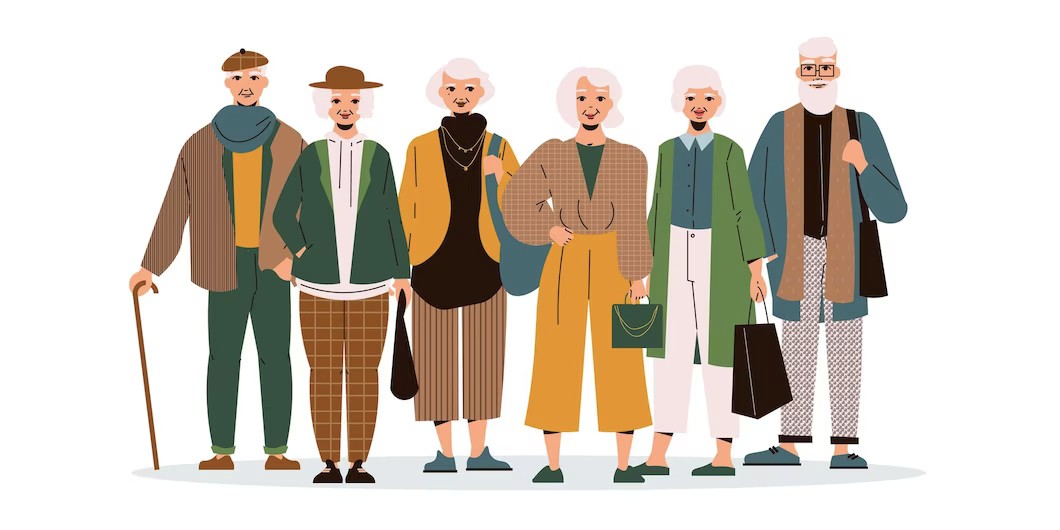
In 1982, Brink et al. created the Geriatric Depression Scale (GDS) as a tool specifically used to screen depression in the elderly. Because the elderly have many physical complaints, the physical symptoms of many normal elderly people fall into the normal range at this age, but may be wrongly diagnosed as depression. The purpose of designing GDS is to more sensitively detect somatic symptoms uniqu...
The Simplified Coping Style Questionnaire (SCSQ) is a psychometric tool compiled by Zhang Yukun and Yaning. The questionnaire aims to evaluate the coping methods individuals use when responding to stress, including two dimensions: positive response and negative response. Through this questionnaire, we can understand a person's psychological tendencies and coping strategies when facing stress and d...
Welcome to the Enneagram Personality Test! This is a psychological theory that describes human personality traits and behavior patterns. According to the Enneagram Personality Theory, each person is classified as nine different personality types, each with its unique characteristics, motivations, and behavior patterns. This test is a free beta version of the Enneagram Personality Test Questionnair...
Welcome to participate in this impulsive personality trait test. This test uses the Barratt Impulsiveness Scale (BIS-11), also known as the Barratt Impulsiveness Personality Questionnaire. The Chinese version of the questionnaire was translated and revised by the Beijing Center for Psychological Crisis Research and Intervention to evaluate individual impulsive personality traits. Impulsive persona...
In modern society, high intelligence (IQ) alone is far from enough. More and more research and corporate practices have shown that emotional intelligence (EQ) is the key factor in determining whether a person can succeed . The world's top companies, including Coca-Cola, McDonald's, Nokia and other Fortune 500 companies, have long included emotional intelligence assessment in the talent selection a...
Do you want to know yourself more deeply? Want to know if you are extroverted or introverted in the eyes of others? Impulsive or self-discipline? Friendly or persevere? Welcome to the China Big Five Identity Questionnaire (CBF-PI-B) provided by 'PsycTest Quiz' - a five-personality dimension test designed for Chinese people. It is permanently free, without logging in, and the results are obtained i...